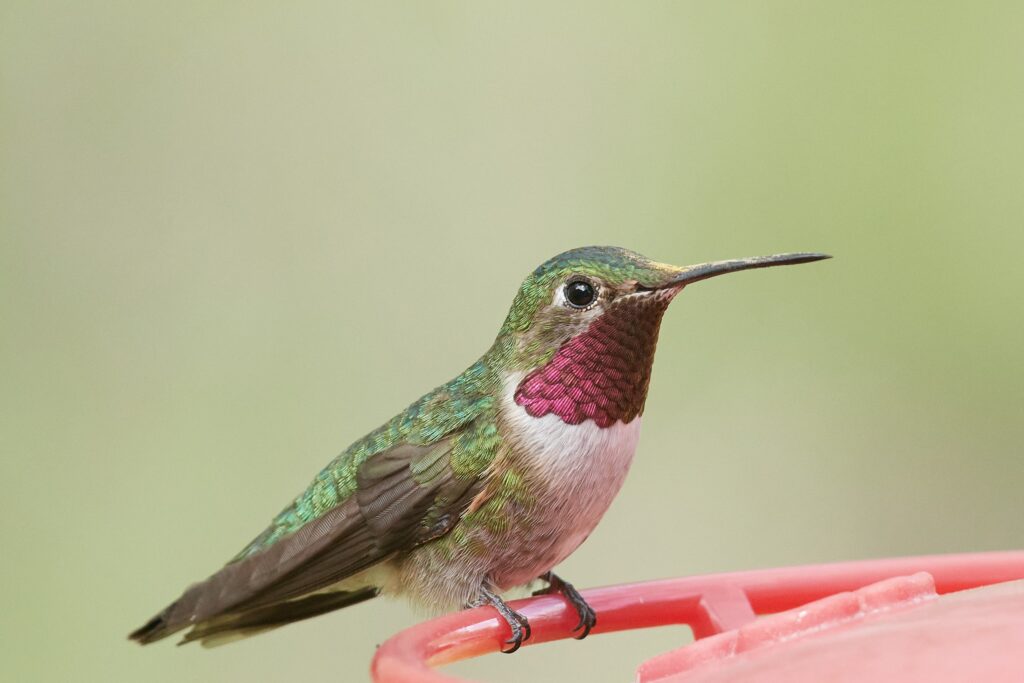
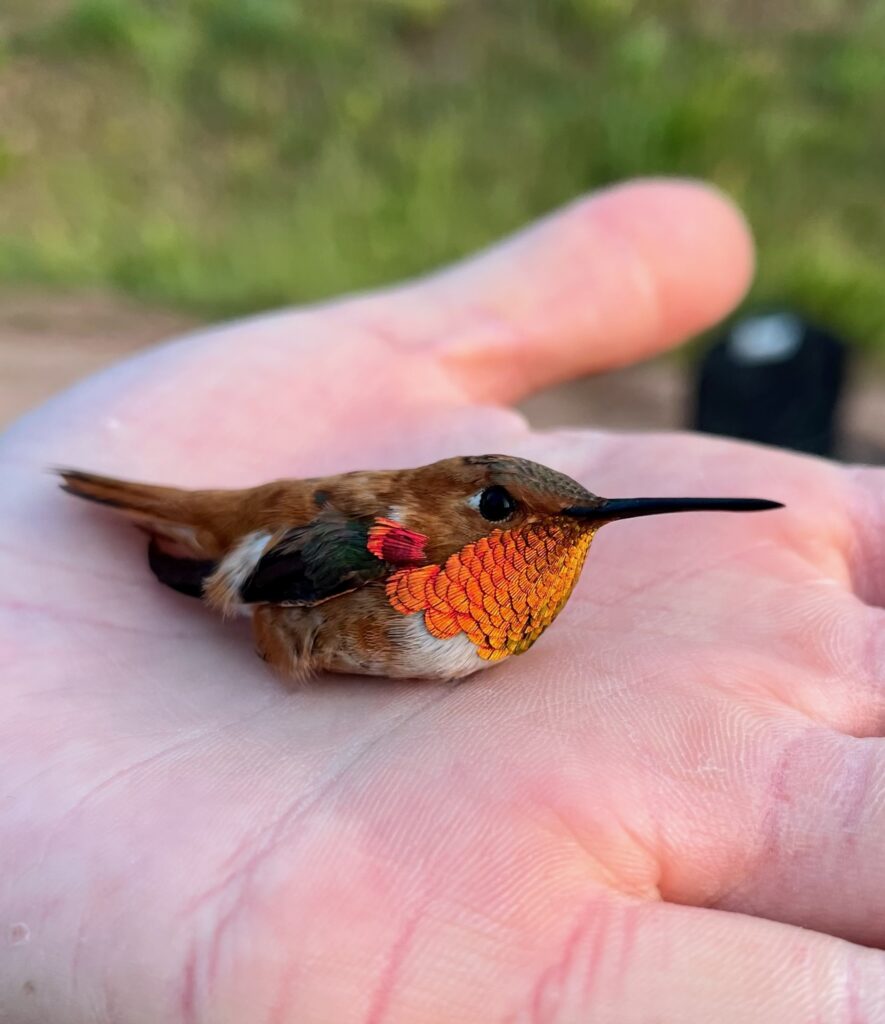
For a couple of weeks in July, the wildflower meadows of Monument Ridge come alive with a gentle whirring sound—that of the wings of hundreds of hummingbirds. Among them are the Calliope Hummingbird, the smallest migratory bird in the world, and the Rufous Hummingbird, which completes the longest migration of any bird proportional to their body size. These extraordinary species rely on montane meadows across the interior west to fuel their fall migration southward.
As part of Ricketts Conservation Foundation’s work to understand how regeneration following fire affects birds, we’ve observed high numbers of hummingbirds in recently burned sites. There, they take advantage of abundant wildflower growth in the years after a wild or prescribed fire. These tiny birds are often captured in the mist nets we use to study songbirds in the burn. During 2024, the inaugural year of banding at a couple of wildfire sites, we captured up to 120 hummingbirds in one day!
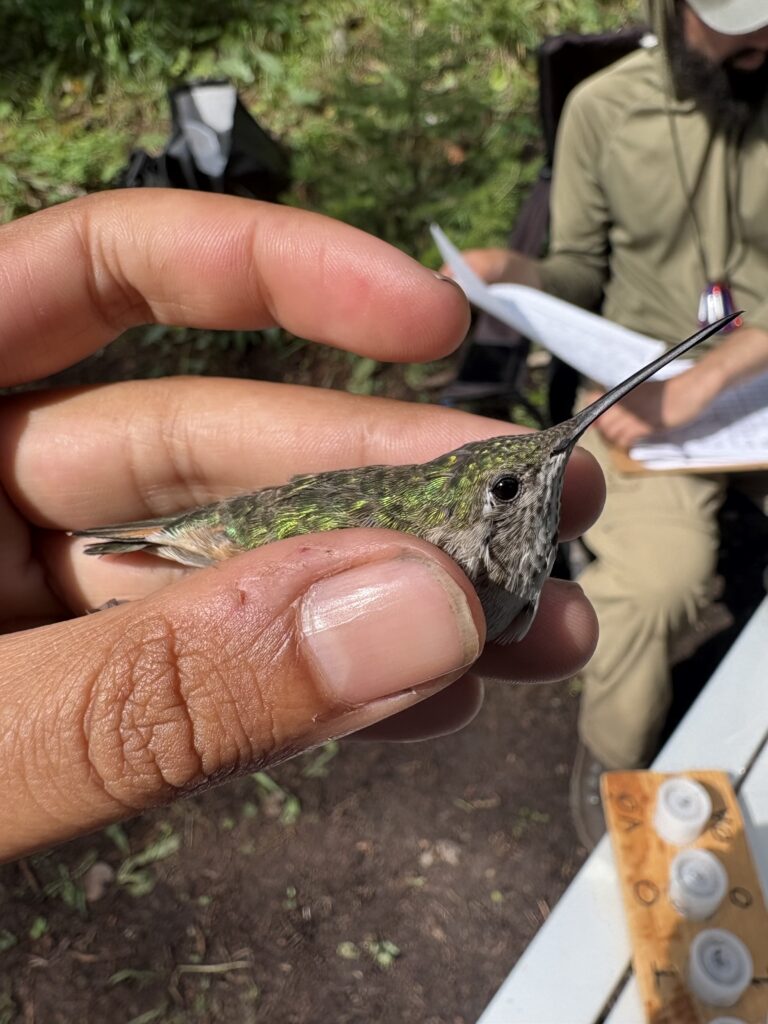
Because of their size, banding hummingbirds requires specialized training, tools, and permits. Unlike songbird bands, which come ready to use, hummingbird bands come as a flat sheet of lightweight metal which must be cut and shaped to fit. Hummingbirds also require different handling techniques and data collection than songbirds. Luckily, RCF banders were able to collaborate with an expert hummingbird researcher, Kyle Shepard, to receive the training needed to band hummingbirds.
In 2025 and 2026, we’ve captured fewer hummingbirds than in 2024–likely correlating with a reduced wildflower bloom due to drought or other changing conditions. As RCF continues to band hummingbirds several years into the future, this data will become a valuable aspect of understanding how wildlife responds to fire.
A Male Broad-tailed HummingbirdAn Immature Hummingbird About to Get BandedA Male Rufous Hummingbird
Youth, Science, & Stewardship: WyRED 2026
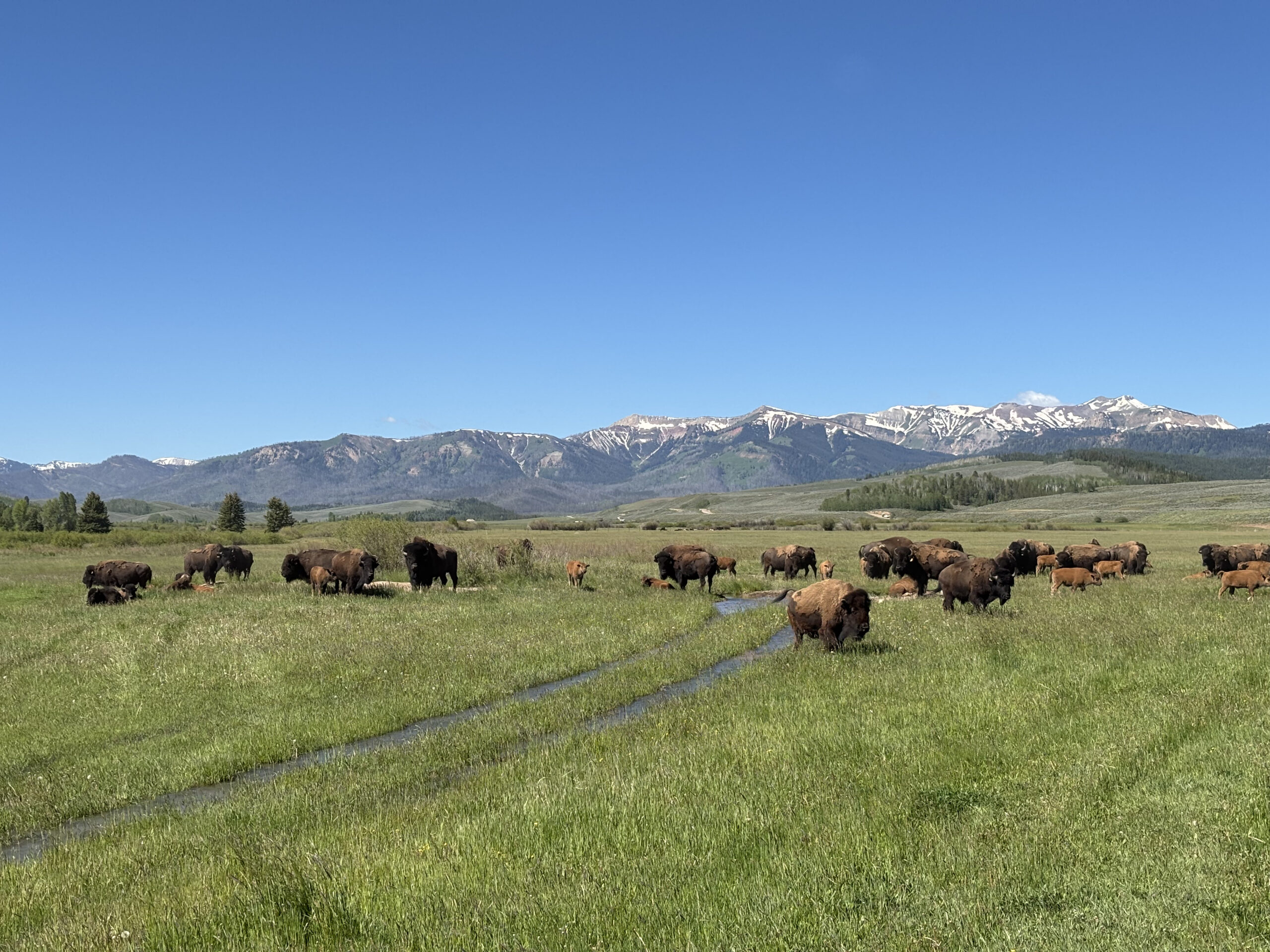
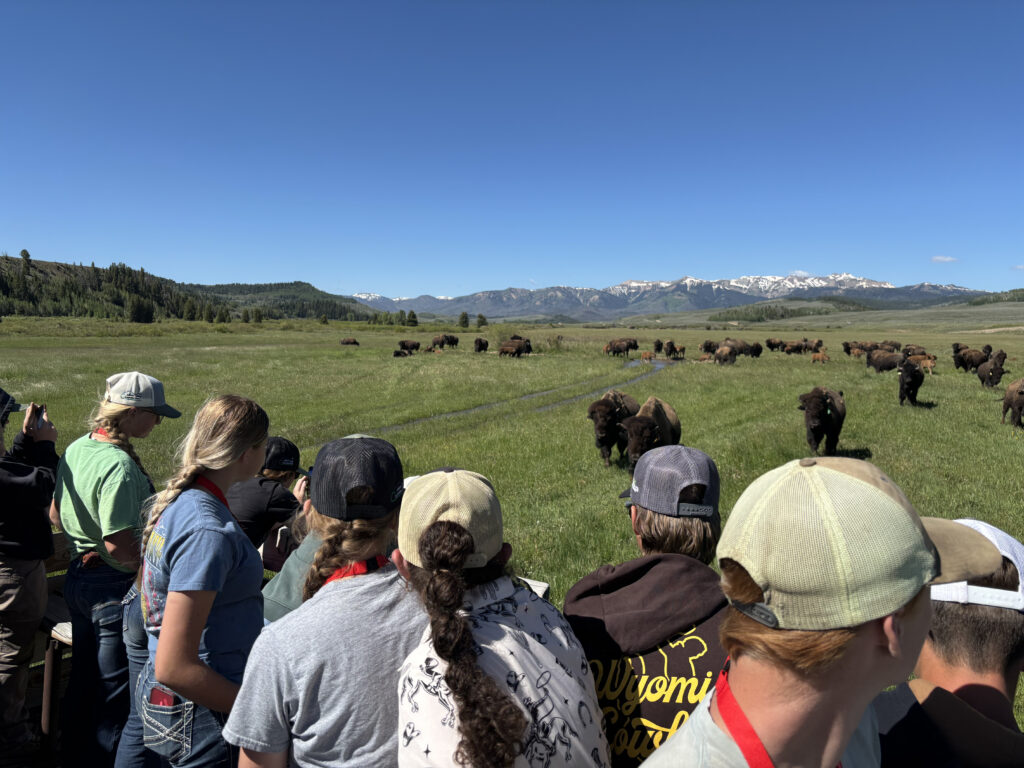
Bison herd at the Jackson Fork Ranch
The United Nations declared 2026 the International Year of Rangelands and Pastoralists (IYRP), a global initiative aimed at raising awareness for healthy rangelands, food security, and climate resilience. How better to commemorate this designation than to educate the youth who are interested in becoming future stewards of Wyoming’s land, wildlife, and livestock.
During the third week of June, The Wyoming Section of the Society for Rangeland Management hosted Wyoming Resource Education Days (WyRED; wyomingrangelands.org/wyred1), bringing high school students and a few adults from across the state to western Wyoming to do just that. WyRED is a week-long camp that focuses on all aspects of natural resource and range management. Professionals from throughout Wyoming and the local area volunteer to teach high school students about plant identification, soils, wildlife habitat, energy development, water resources, grazing, GPS skills, and more.
Students toured a PureWest Energy natural gas well site to learn about energy development.
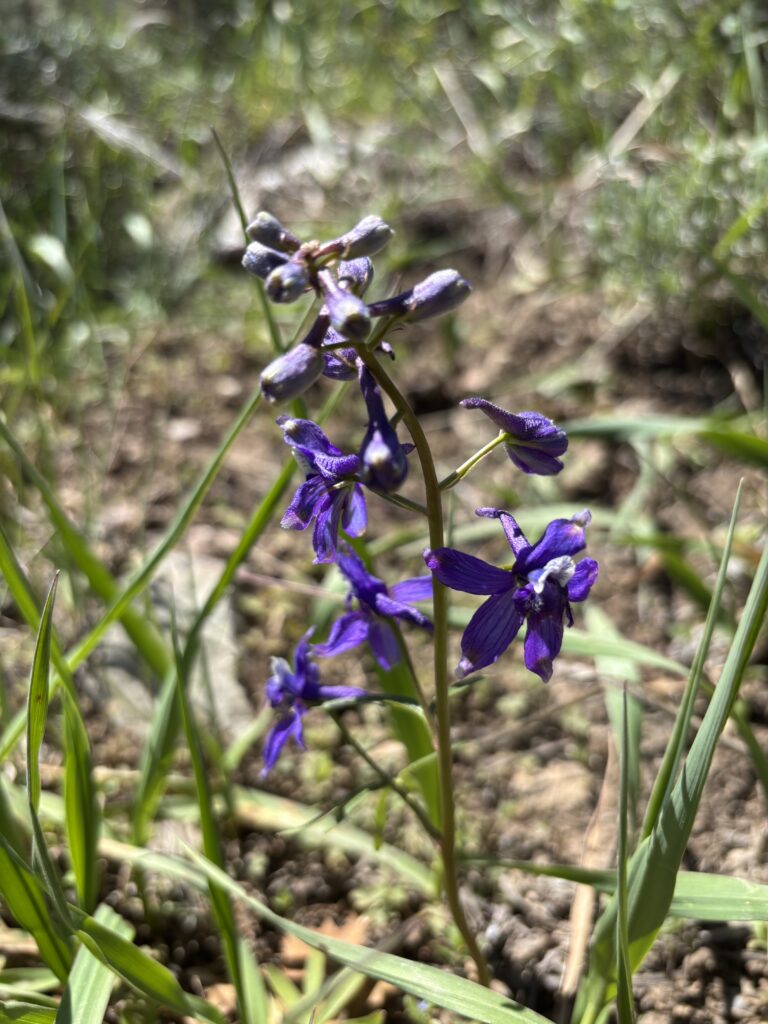
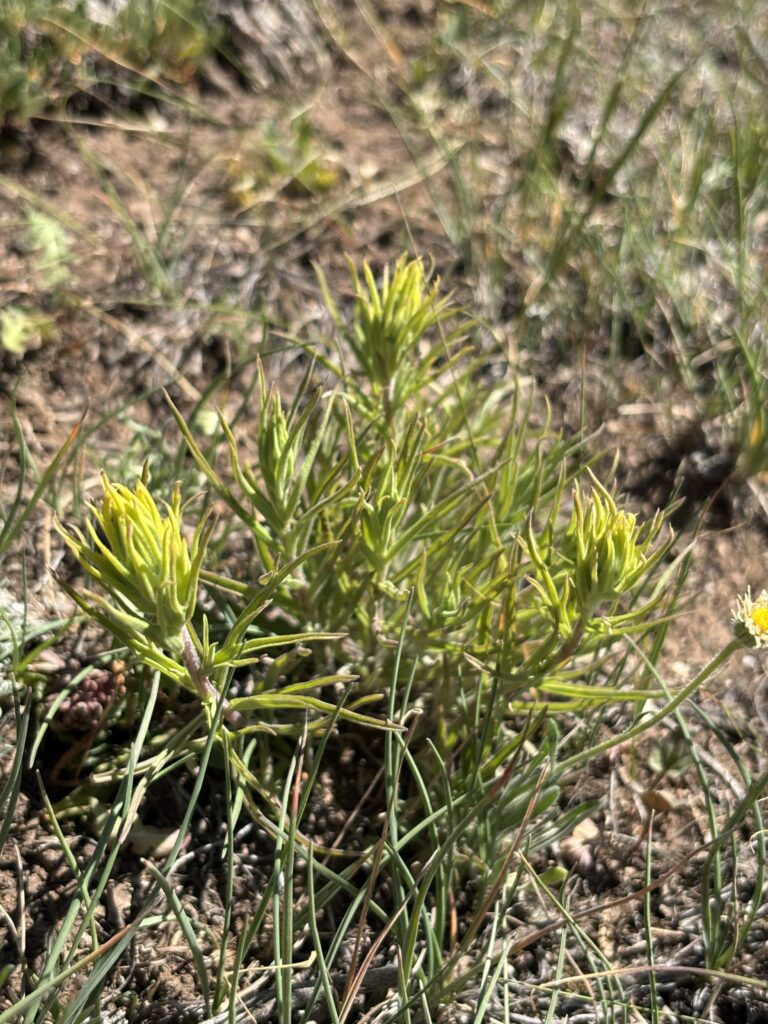
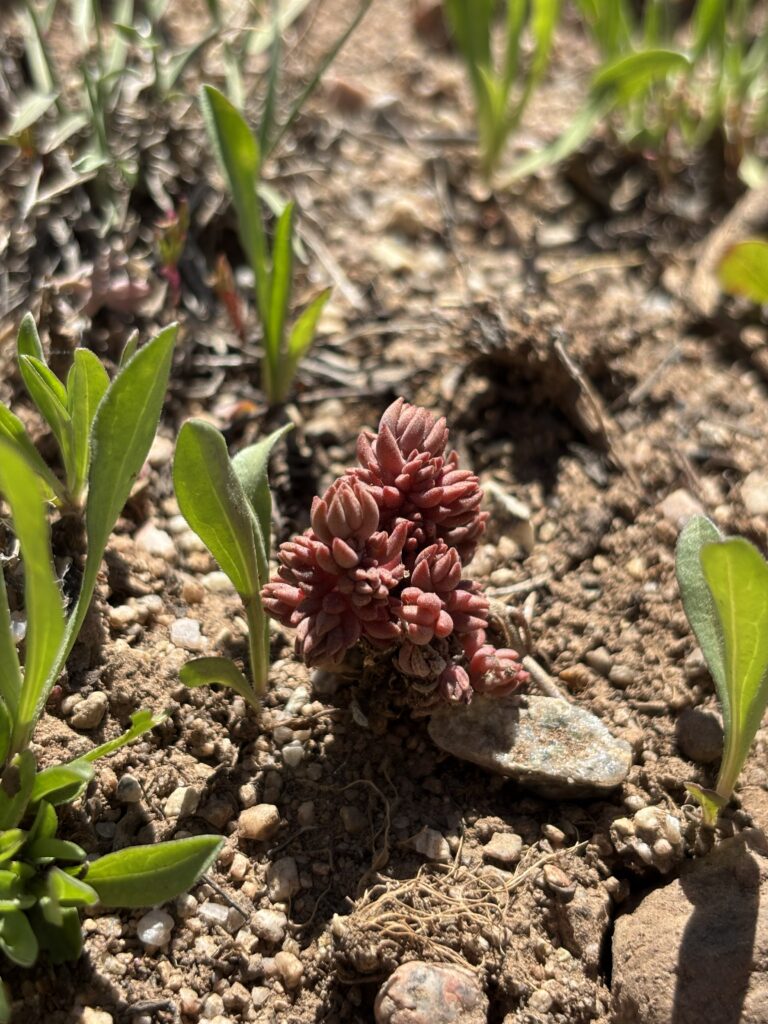
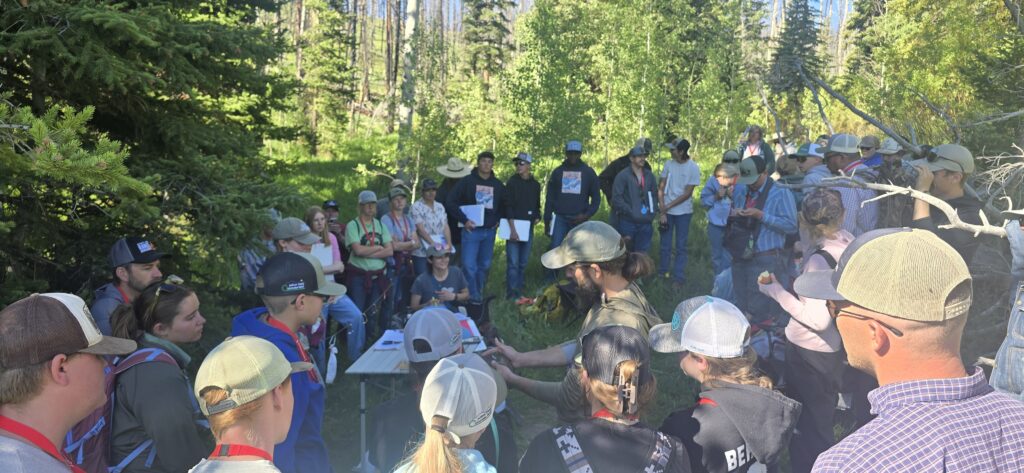
Students worked on their plant identification near Kendall Warm Springs in preparation for their range judging contest at the end of the week. They learned a variety of plants, both native and non-native including Lanceleaf stonecrop, paintbrush, and low larkspur.
In addition to the tour of the Green River Basin in Sublette County, the Ricketts Conservation Foundation (RCF) hosted WyRED participants at the Jackson Fork Ranch (JFR) in the Hoback Basin. This day was designed to expose students to data-driven research and monitoring on modern-day working lands. In the morning, our bird biologist crew gave a demonstration of songbird capture and banding on a post-fire aspen regeneration study site.
Avian populations serve as vital indicators of overall ecosystem health and the monitoring at this specific project site gives us information about changing bird communities in areas affected by wildfire and management. RCF biologists discussed data collection, bird identification, health assessments, and migration with the students.
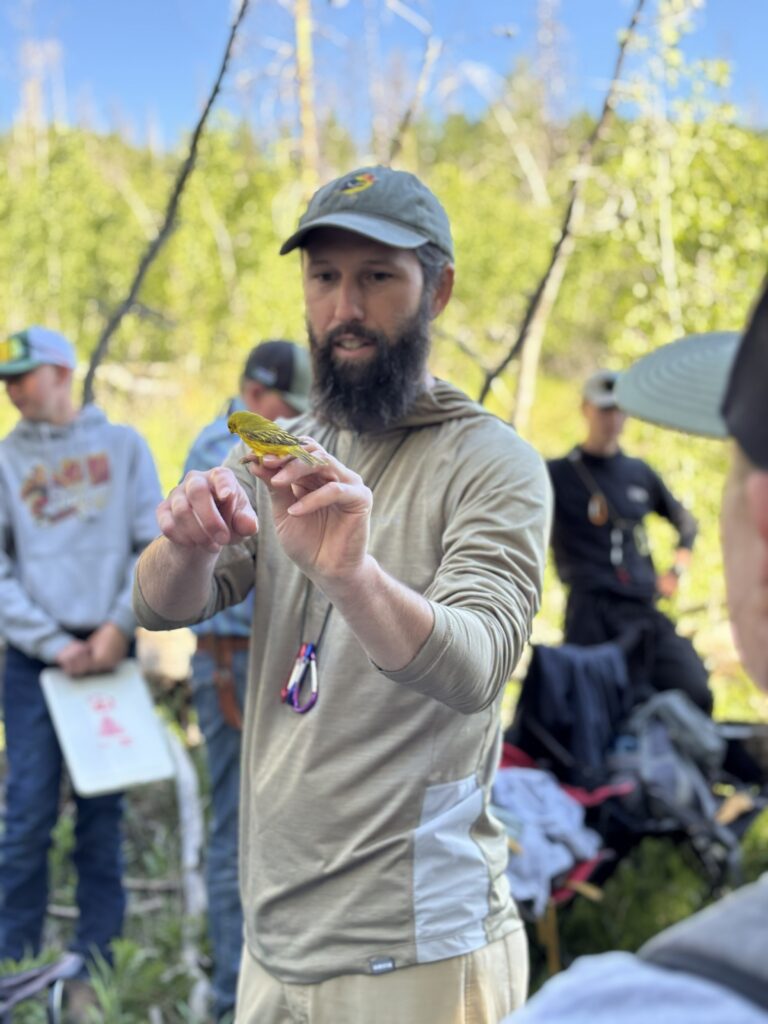
Josh Lefever (RCF Associate Biologist) demonstrates the banding process and health assessment of a male yellow warbler.
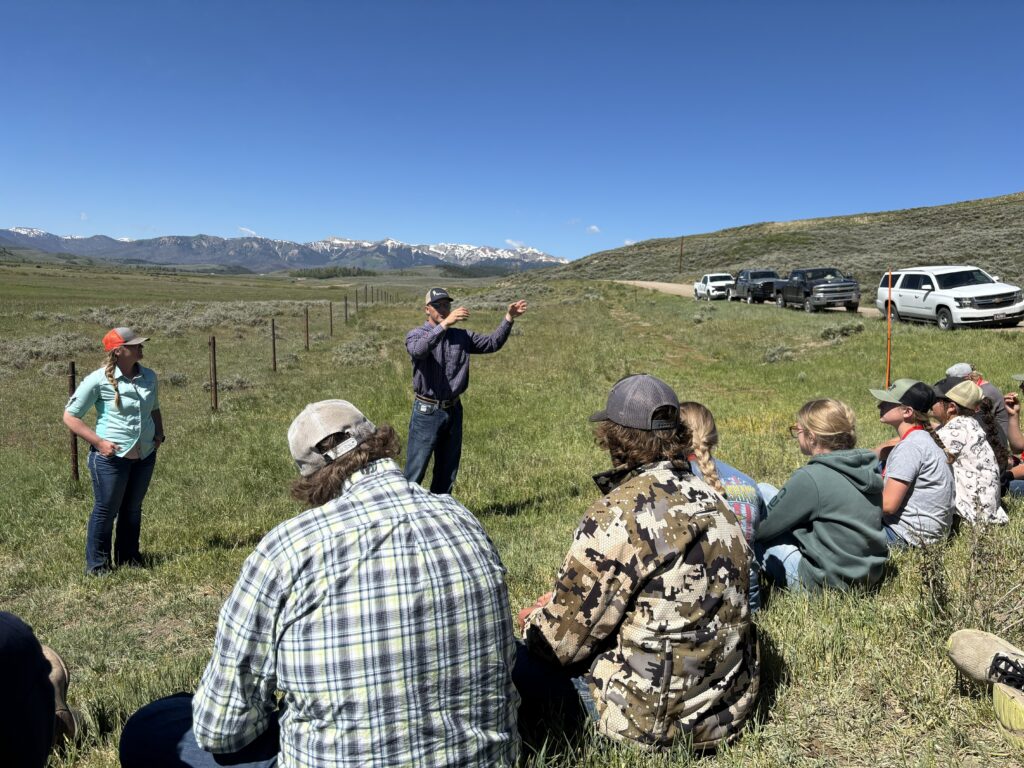
Later in the day, the focus shifted to the complex balance of managing livestock among wildlife and between public and private lands. Keller Hyde (Sublette County Conservation District) and Shari Meeks (RCF) gave an overview of the grazing conducted on the allotments surrounding the JFR, the cooperative ecological monitoring done, and the importance of collecting long-term trend data. They emphasized how this data can be used to inform adaptive management to help protect landscapes from degradation. Shari introduced the students to JFR’s implementation of let-down fence and related projects using virtual fence, both tools for mitigating wildlife-fence conflict.
Shari Meeks (RCF Project Manager) and Keller Hyde (Sublette County Conservation District Range Specialist) teach about cooperative monitoring and its importance for stewardship on public rangelands.
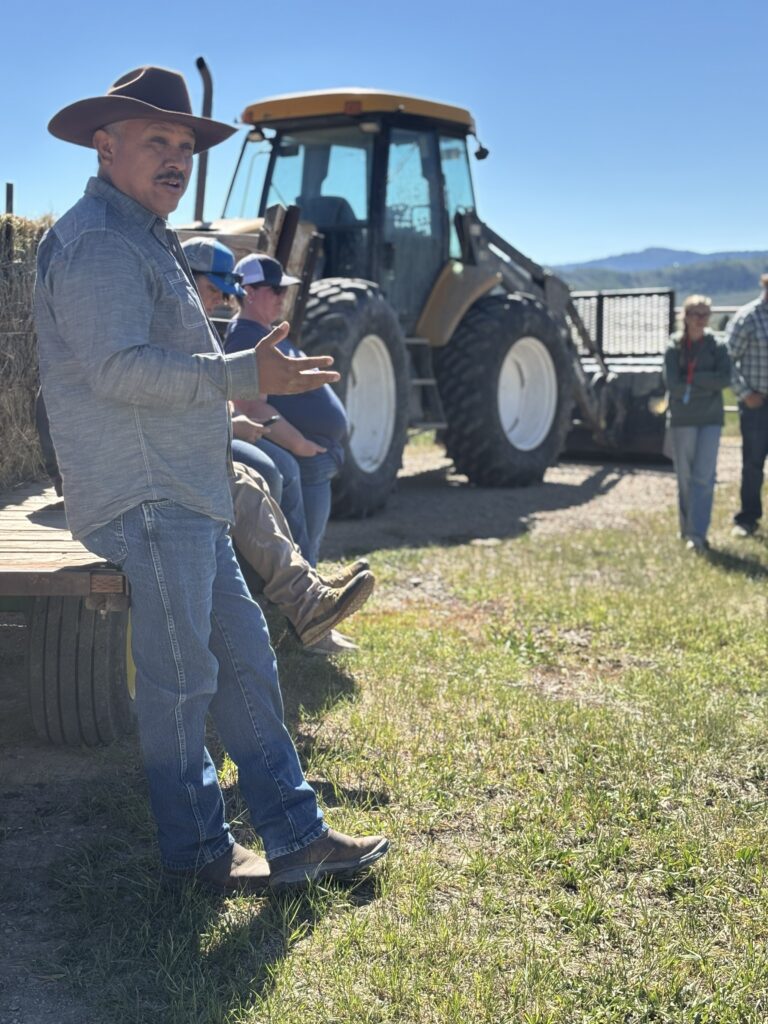
To wrap up the student’s time on the ranch, Antonio Rivera (JFR Bison Manager) led a session on the specifics of bison management. He discussed how JFR uses rotational grazing to ensure the grass has adequate time to recover after livestock disturbance. He also covered the challenges of managing brucellosis and how wildlife migration patterns and nearby feed grounds influence operational decisions. For many students, the highlight of the week was Antonio’s wagon ride out to the bison pasture, where the students experienced a safe, close-up look at the herd and saw how these large ungulates interact with the landscape.
Antonio teaching students about bison management at Jackson Fork Ranch.Students view bison on a hay wagon ride while discussing herd and land management.
By teaching students about wildlife biology, rangeland monitoring, and production agriculture, RCF and Jackson Fork Ranch's contributions to WyRED 2026 emphasized the exact mission of the IYRP, demonstrating that ecological health and sustainable agriculture can thrive together. After a week at WyRED, Wyoming’s next generation of land stewards are better equipped with the science, tools, and vision to keep our rangelands healthy for years to come.
Riparian Restoration & Beavers
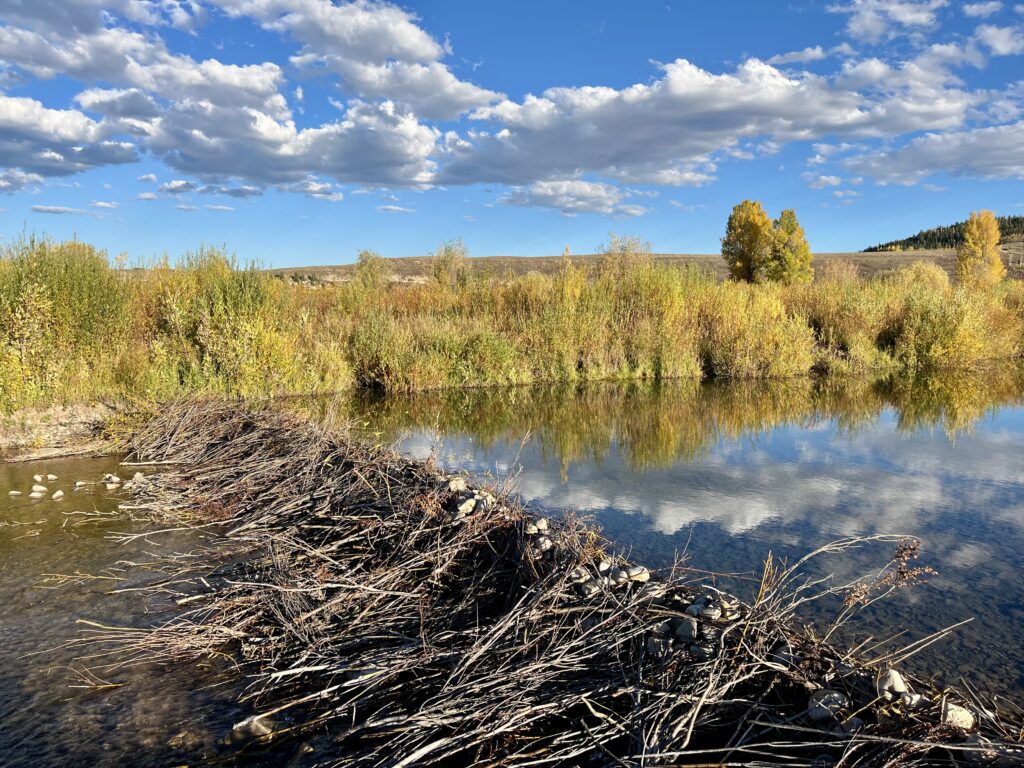
Beavers are considered ecosystem engineers. They are vulnerable to predators when on land, so they have adapted to avoid predation by building dams within streams. These dams create ponds where they can swim from their lodge to water’s edge to harvest the willow and cottonwood branches that they store in the bottom of the pond as a winter food supply. Their dams hold back water, creating wetlands that slow water movement across the landscape. This allows infiltration into the underlying soil and groundwater recharge, providing a source of water to maintain stream flow during dry periods.
While beavers are valuable for ecosystem function and maintenance, their pelts have also been found valuable in the fashion industry. Two hundred years ago western Wyoming was the epicenter of the global trade in beaver pelts. Felted beaver fur was turned into fashionable hats for European gentlemen, increasing the demand for beaver products. This led trappers to pursue beavers towards extirpation in almost every watershed in the Intermountain West. Fashions changed in the 1840s, but by then most of Wyoming’s beavers were gone. Even now, it’s believed that beaver numbers in the western USA are a fraction their historic levels. Beavers on the landscape aren’t without challenges, despite their ecological and economic value. They don’t distinguish between streams and ditches, creating conflicts with irrigators and other agricultural interests. Their constant building of dams requires a steady source of logs and branches that they procure by using their teeth to cut down trees and shrubs. This creates conflicts in areas where land managers seek to increase riparian vegetation to stabilize river channels and preserve wildlife habitat.
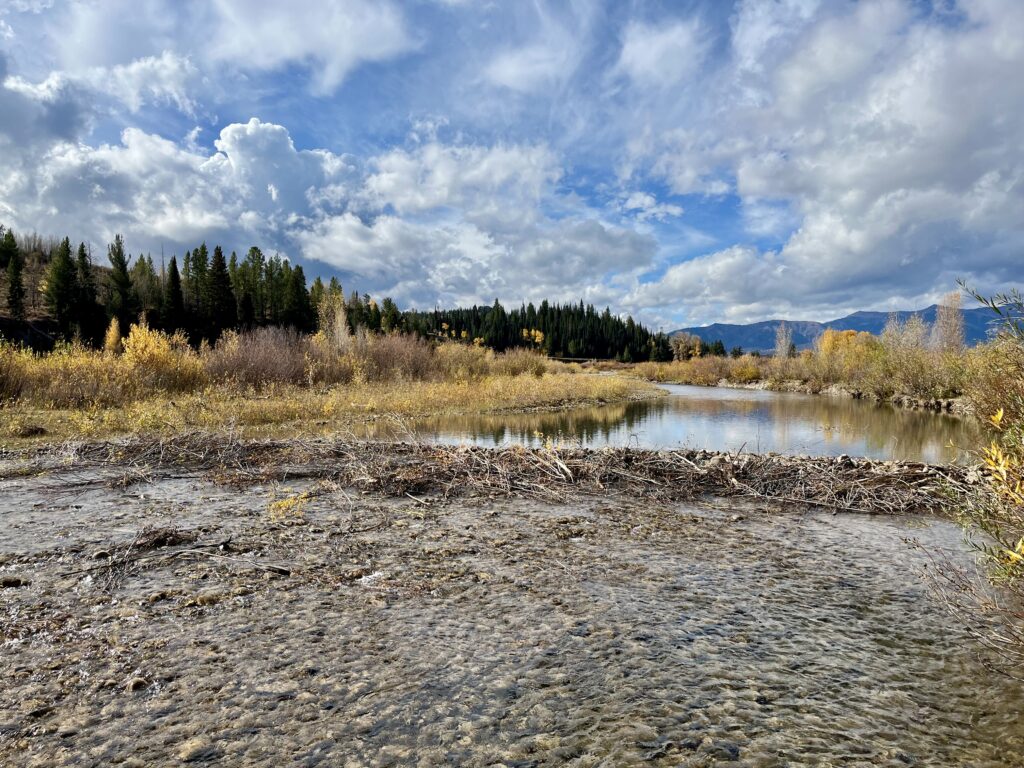
As fall arrives, this conflict becomes apparent locally. After a dry and warm summer, the Hoback River is very low, and the local beavers are getting ready for winter. They’re building dams across the river and use the resulting reservoirs to store the caches of Willow and cottonwood branches they will feed on during winter.
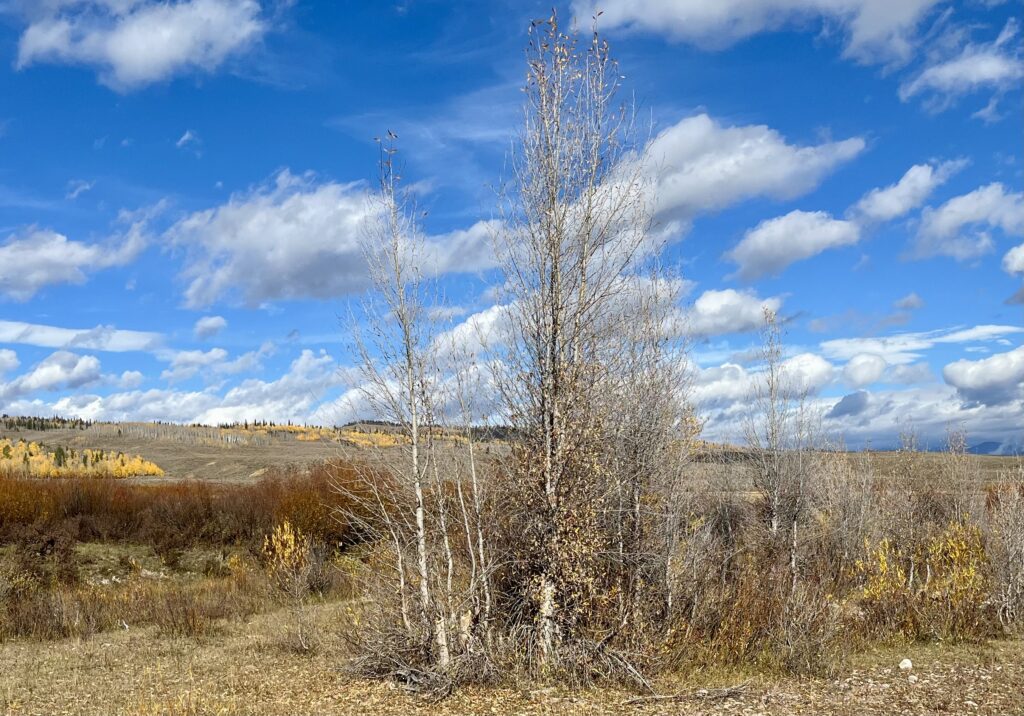
It takes a lot of branches to build these dams and stock the caches, and they take them from the surrounding riparian corridor.
We understand the ecological benefits of encouraging beavers to recolonize their historic ranges. However, we also recognize the need to protect riparian vegetation required by other wildlife to survive as well as the need for irrigation management. Ricketts Conservation Foundation is excited to explore solutions that will encourage a balanced approach to this complex natural resource issue in 2026.