Summer Experience: Wildlife-Friendly Fences and Conservation
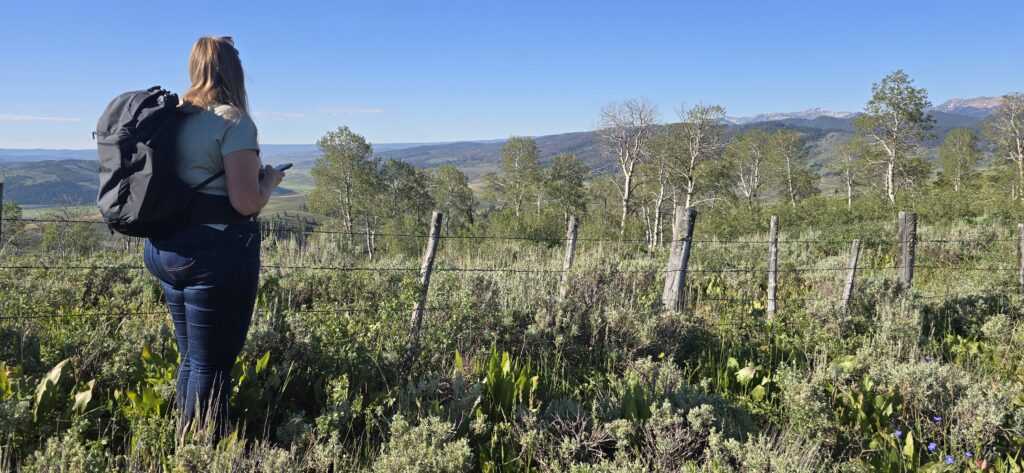
The Ricketts Conservation Foundation partnered with the Wyoming Game and Fish Department to hire a seasonal technician to complete wildlife friendly fence mapping and inventory in the Hoback Basin. Genevieve started with us May, spearheading a community conservation effort.
Genevieve's reflection on her summer experience:
This summer, I had the opportunity to work for Ricketts Conservation Foundation as a Wildlife-Friendly Fence Technician. This position focused on understanding and improving fencing data in the Hoback Basin. Throughout the summer, I spent much of my time in the field mapping and inventorying fences, working alongside conservation organizations, participating in hands-on fencing projects, and engaging with the community about the importance of wildlife-friendly fences.
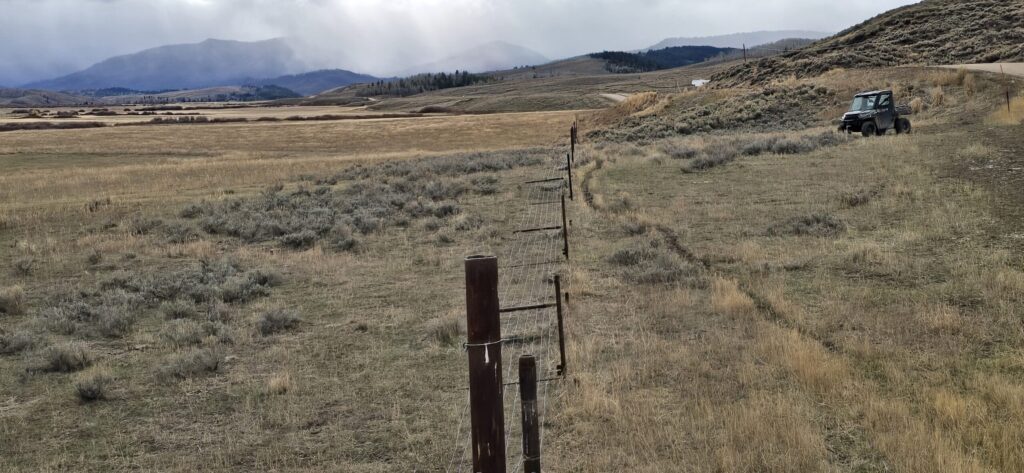
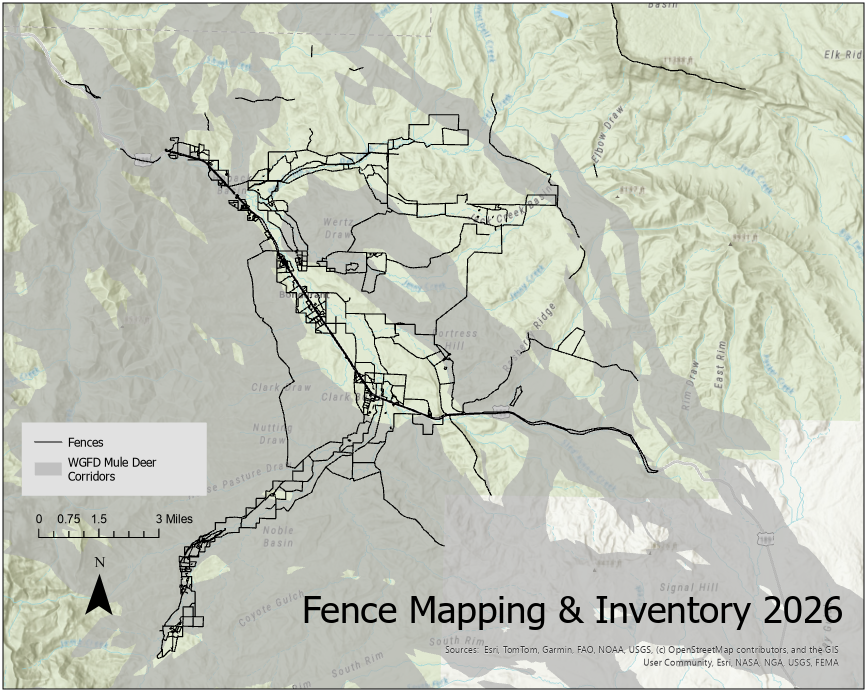
The biggest part of my work was mapping and inventorying fences. Over the course of the summer, I mapped ~263.418 miles of fence and inventoried about 39.78% of that (Figure 1). Mapping involves digitally recording the location and length of fence lines so that we can see where fences are located across the landscape. Inventorying takes that process a step further by documenting characteristics of each fence, including the type and condition of the fence. This information gives a much better understanding of what is actually on the ground and where potential problems may exist for wildlife. The data I collected will help Wyoming Game and Fish identify and prioritize fences that could be removed or converted to wildlife-friendly designs. By knowing where fences are located and understanding their condition, conservation partners can focus their efforts on projects that could have the greatest benefit for wildlife movement.
Another important part of my summer was engaging with the community. The reason I only inventoried 39.78% of the fences is due to the remaining fences being on private land where I could not collect the more specific information. Once I realized how much was located on private property, I focused more of my attention on engaging with the community and building awareness. I attended monthly Bondurant Community Club meetings, where I had the opportunity to talk about my work and the impact fencing can have on wildlife migration. To increase community outreach, I also set up an information table at The Branding Iron once a week and participated in Conservation Field Day. These events allowed me to start conversations about wildlife-friendly fencing, answer questions, and share what I had been learning through my work. Engaging with the public gave me the opportunity to connect the work I was doing in the field with the community it directly affects. It also showed me that building awareness and having conversations with local communities are important parts of creating successful, lasting conservation efforts.
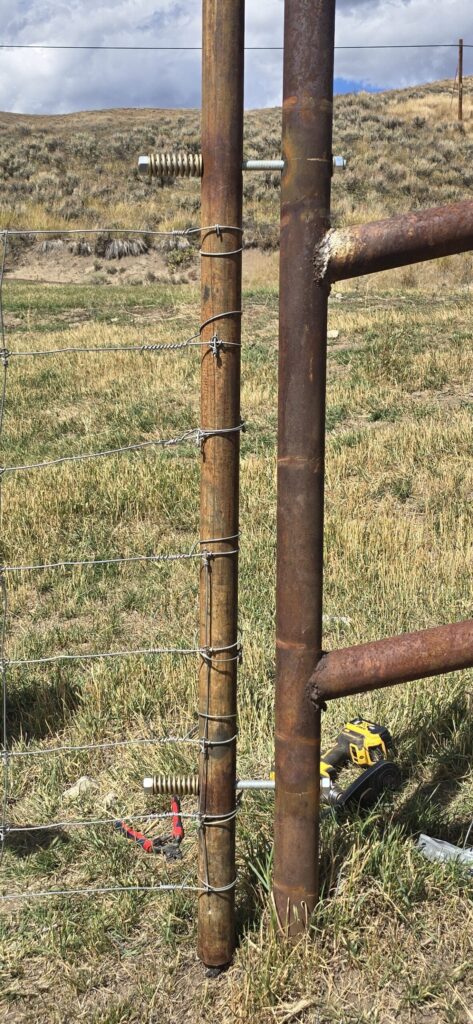
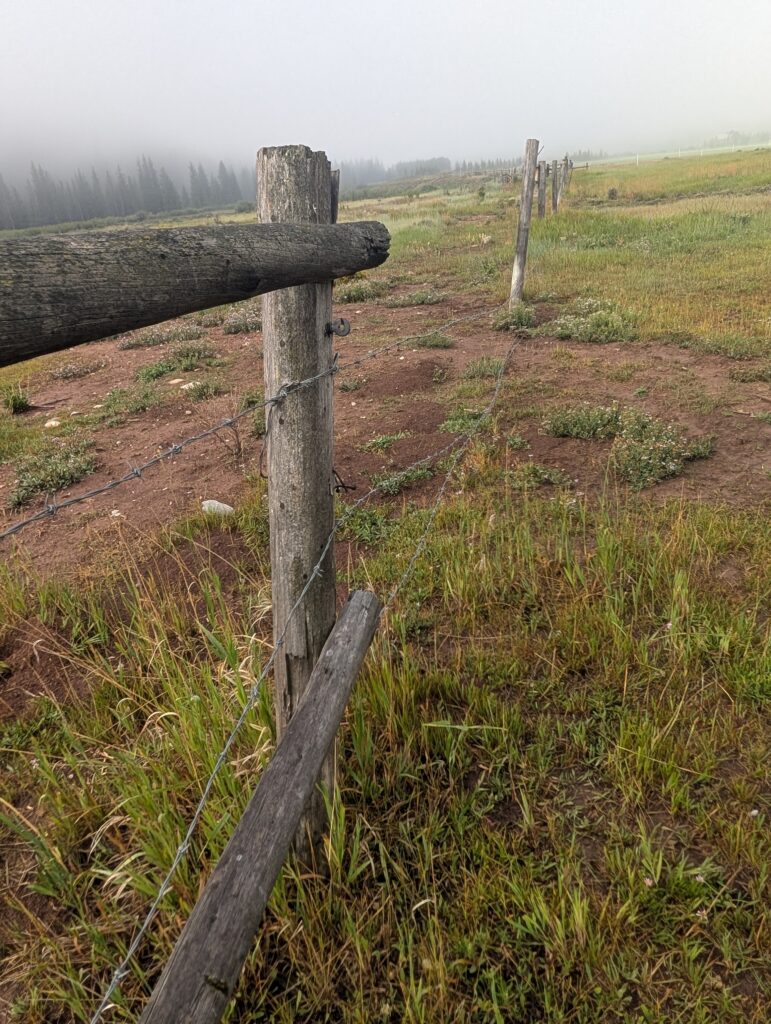
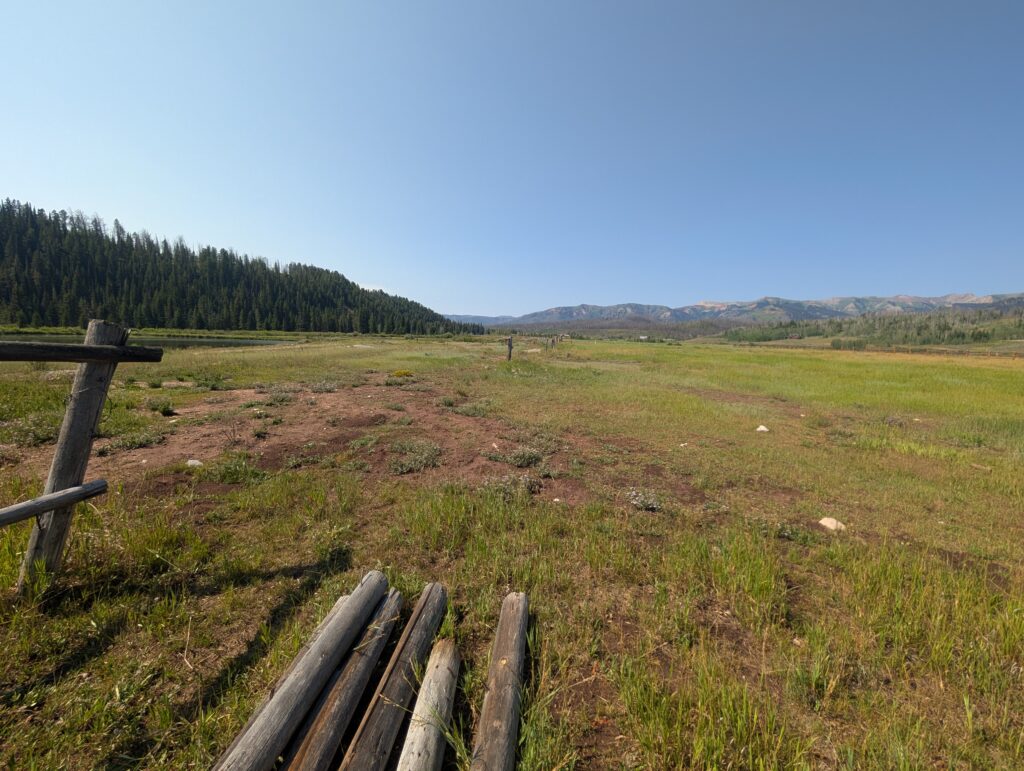
I also had the opportunity to participate in several hands-on fencing projects. Working alongside the Jackson Hole Wildlife Foundation, I was able to take part in several fence lowerings and removals. These projects allowed me to see firsthand how volunteers, conservation organizations, and landowners can work together to make a meaningful difference for wildlife. I then brought that experience to Jackson Fork Ranch, where I helped remove several different types of unnecessary fencing. Being involved in the physical side of fence work helped me see the connection between the data I collected in the field and the real-world conservation work that can come from it. These projects were especially rewarding because they showed me that conservation does not always require a major undertaking. Sometimes, simply removing a fence that is no longer needed or modifying an existing fence can make the landscape safer and more accessible for wildlife.
Looking back on the summer, I am grateful for the variety of experiences this position with the Ricketts Conservation Foundation has given me. I have learned how to collect and organize fence data, work with landowners, physically remove and modify fences, communicate with the public, and collaborate with other conservation organizations.
Most importantly, I have learned how connected these experiences are. Mapping and inventorying fences provides the information needed to identify conservation priorities. Organizations such as Wyoming Game and Fish and the Jackson Hole Wildlife Foundation can then use that information to help plan and carry out on-the-ground conservation projects. However, none of this work is possible without the support and involvement of local communities and landowners.
This summer has shown me that conservation is a combination of data, hands-on work, collaboration, and community involvement. Every part of this position has contributed to a larger goal: making Wyoming's landscapes safer and more accessible for wildlife. I am proud of what I have been able to accomplish this summer and grateful for everything I have learned along the way.
If you would like to know more about wildlife-friendly fence conversion on your property, please contact [email protected].