Just over a month ago, The Ricketts Conservation Foundation (RCF) and The Property and Environment Research Center (PERC) announced an exciting collaboration to deploy virtual fencing technology on eight participating ranches spanning across the Yellowstone Ecosystem. With the ink on the press release barely dry, our team hit the ground running in the field. Over the past few weeks, we have transitioned from concept and planning to implementation and action. Spring has been a season of momentum, collaboration, and hands-on work.
Site Visits
Projects of this scale don’t happen single-handedly, but rather when a dedicated group of livestock producers, land managers, government agencies, and conservationists work together towards a common goal. Recently, RCF and PERC, along with representatives from various state agency and non-government organization (NGO) partners, completed successful site visits to all eight participating ranches. These visits spanned a range of landscapes, from Bureau of Land Management (BLM) and United States Forest Service (USFS) allotments to state and private rangelands. Each visit allowed us to identify specific conservation goals for each unique operation – whether that meant implementing a grazing rotation, protecting riparian areas for native trout, managing invasive weeds, or mitigating wildlife-fence conflicts. These conversations laid the groundwork for virtual fence strategies tailored to reflect the unique objectives and needs of each operation.
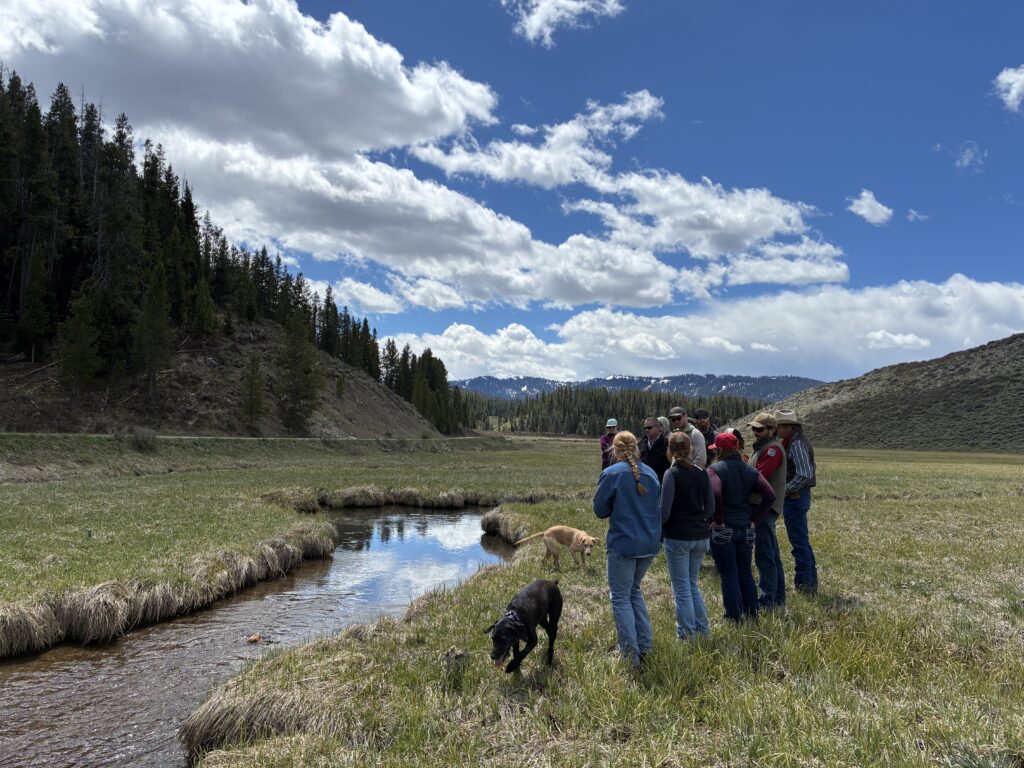
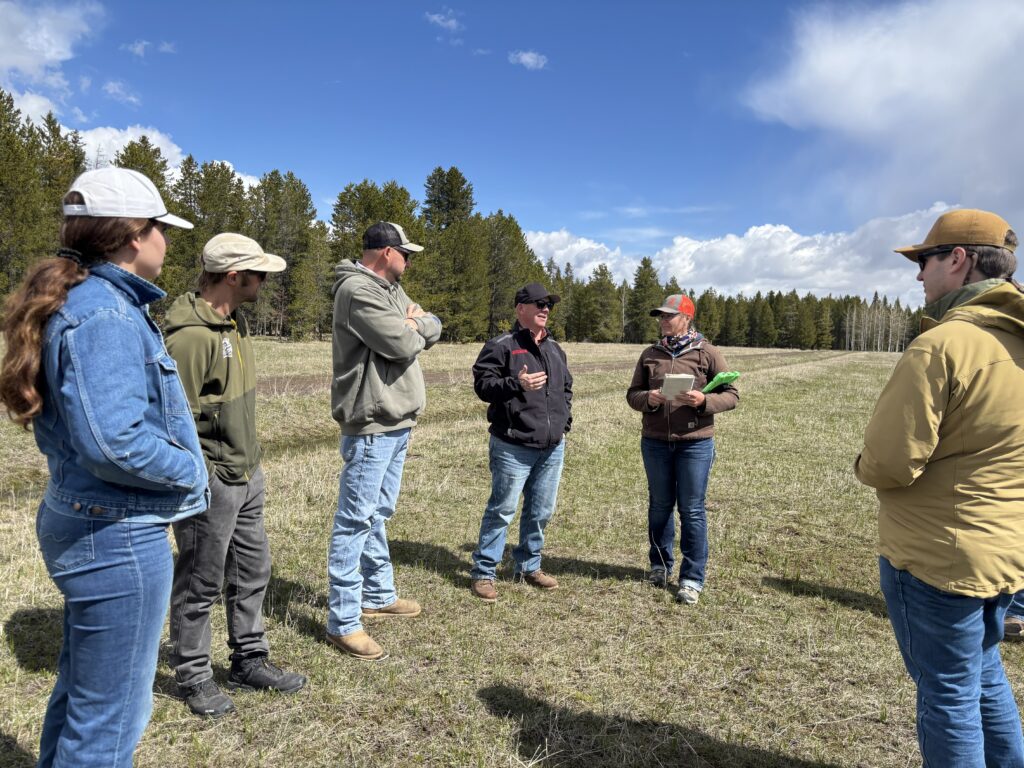
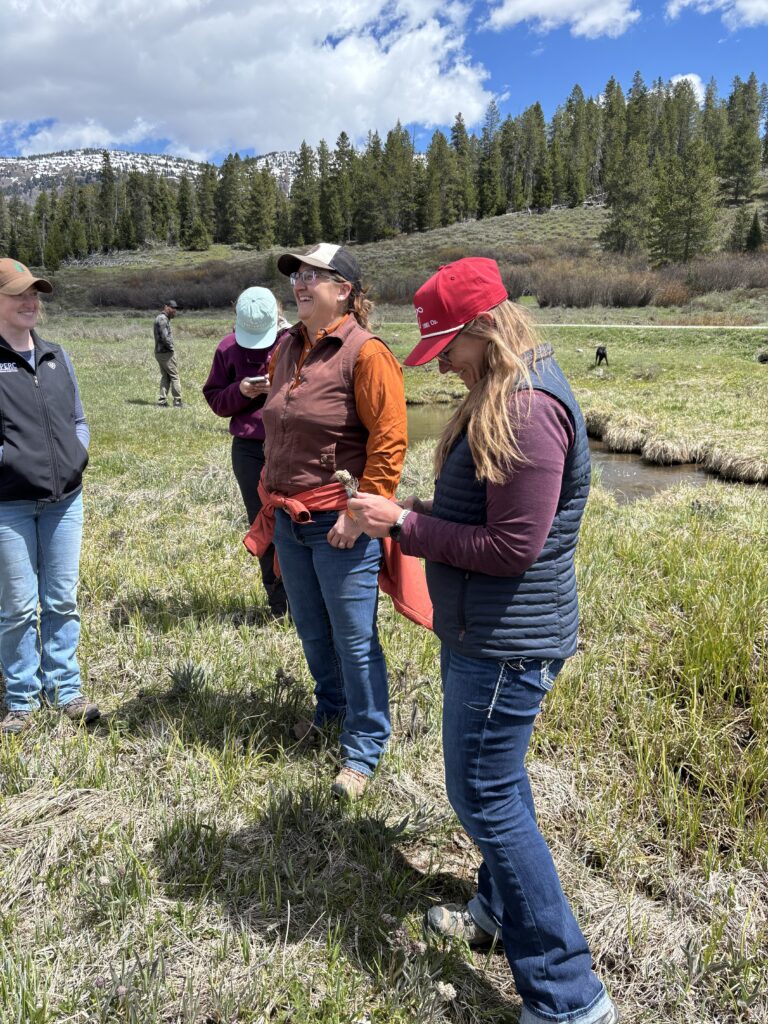
Collaboration in action: partners from RCF, PERC, Wyoming Game and Fish Department (WGFD), Trout Unlimited (TU), Greater Yellowstone Coalition (GYC) and the USFS (plus the pups) meet with producers to discuss trout spawning redds and potential uses of virtual fence to limit livestock impacts to stream beds (Figures 1-3).
Baseline Ecological Monitoring
Using virtual fencing can accomplish incredible conservation outcomes, such as healthier soils, rejuvenated riparian areas, and unobstructed wildlife migration pathways. But to prove it works, we first need data to back up these claims.
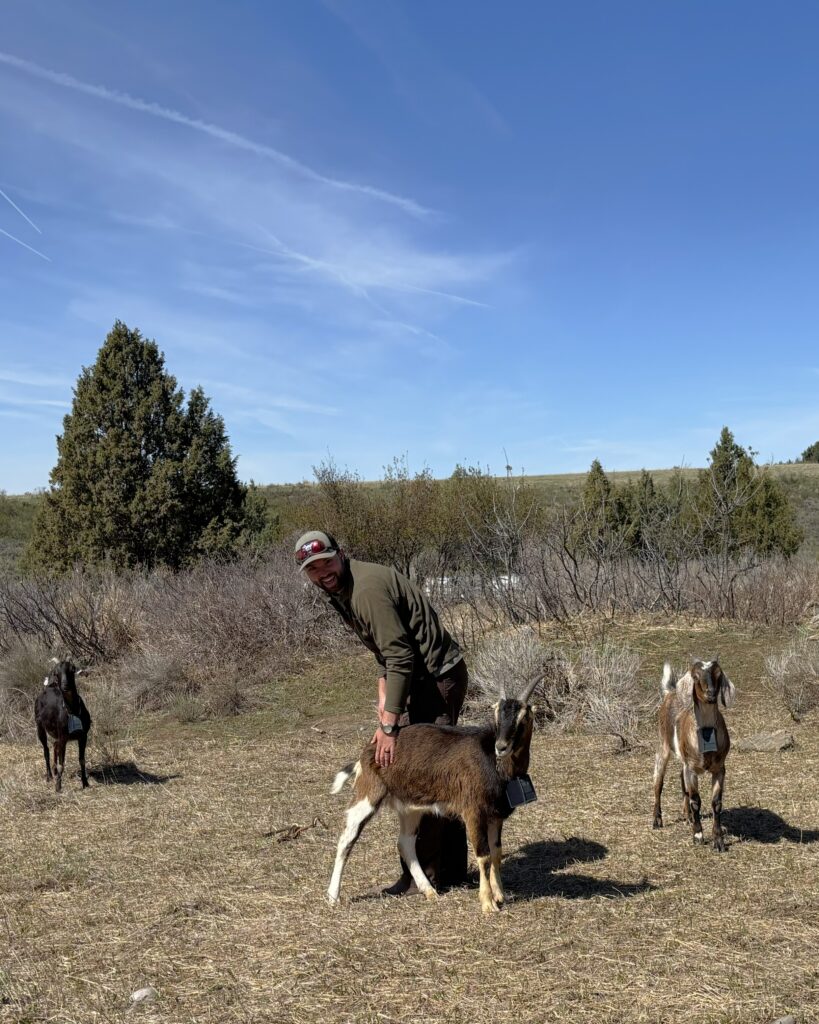
Ecological monitoring is officially underway at the Lucky 7 Angus Ranch in Boulder (WY), the XX Ranch in Auburn (ID), and with the Goat Guy in Ashton (ID). We will add additional ranches in the coming weeks. Thus far, our monitoring efforts are tracking vegetation species composition and nutritional quality, invasive weed cover, soil health, riparian condition, and wildlife movements. By establishing baseline metrics prior to livestock turnout, we can track whether grazing management with virtual fence results in desirable ecological change over time. The data we gather this season will serve as the foundation for evaluating whether or not virtual fence helped producers accomplish their ecological, economic, and social objectives across the four-year duration of their projects.
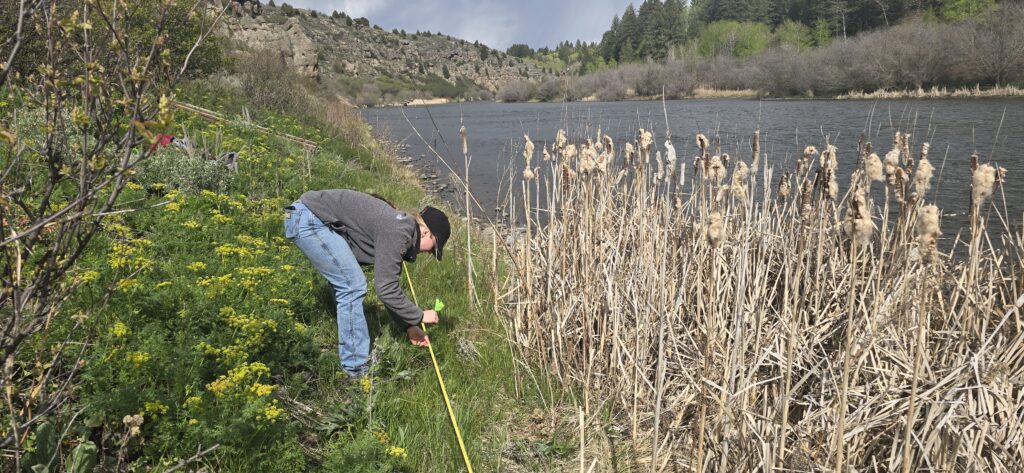
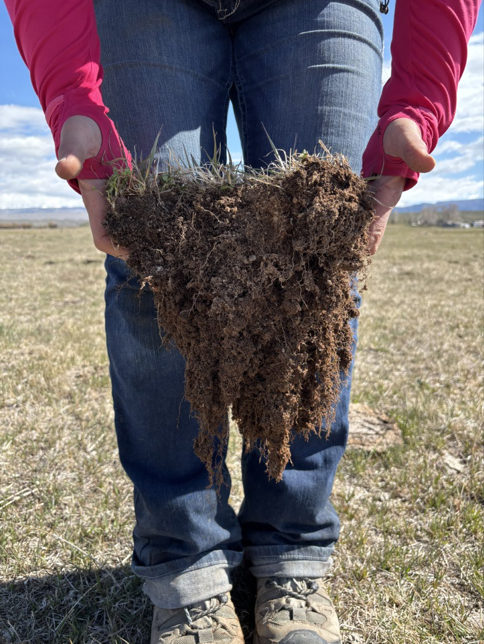
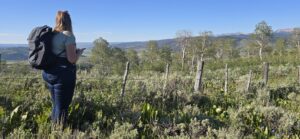
Science on the range: Establishing long-term ecological monitoring to track forage quality, invasive weed cover, and soil health (Figures 4-6).
Livestock Online!
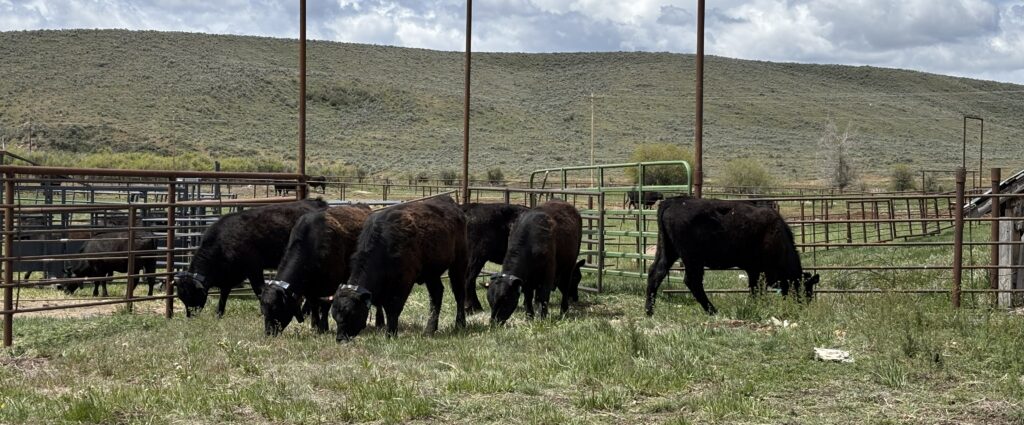
Over the past month we have assisted ranchers with the physical collaring process. Fitting livestock with GPS-enabled collars is the last step before they are trained and head out to summer pastures. These collars allow producers to manage pasture boundaries from their smartphone or laptop as well as track individual animal location and behavior.
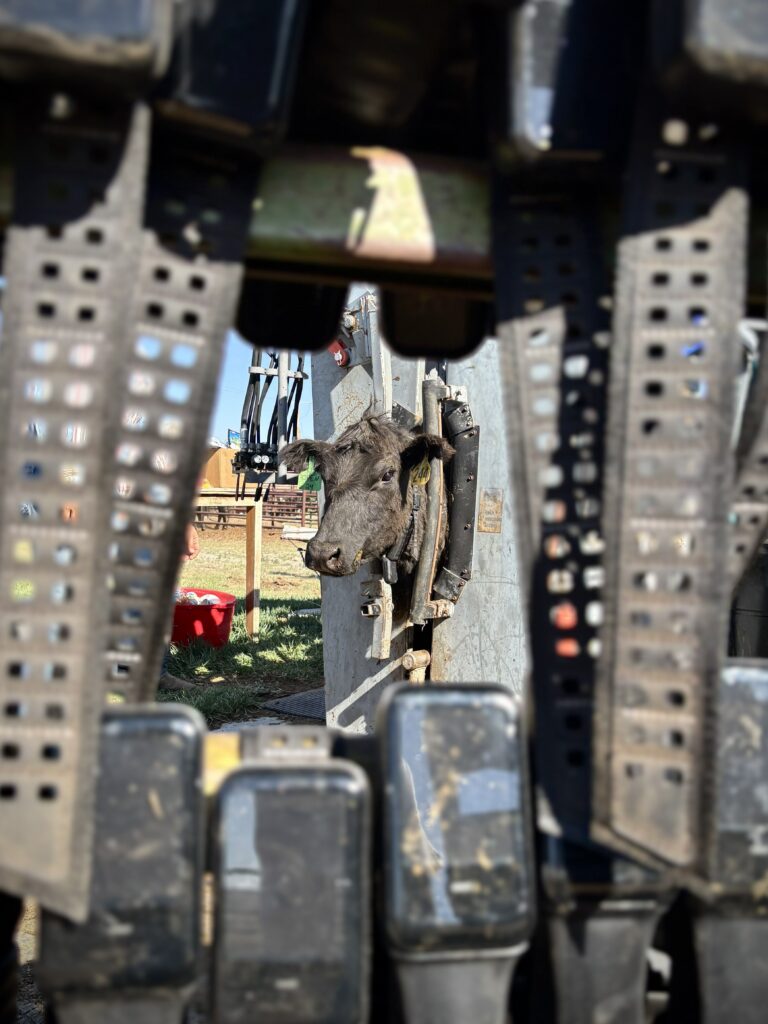
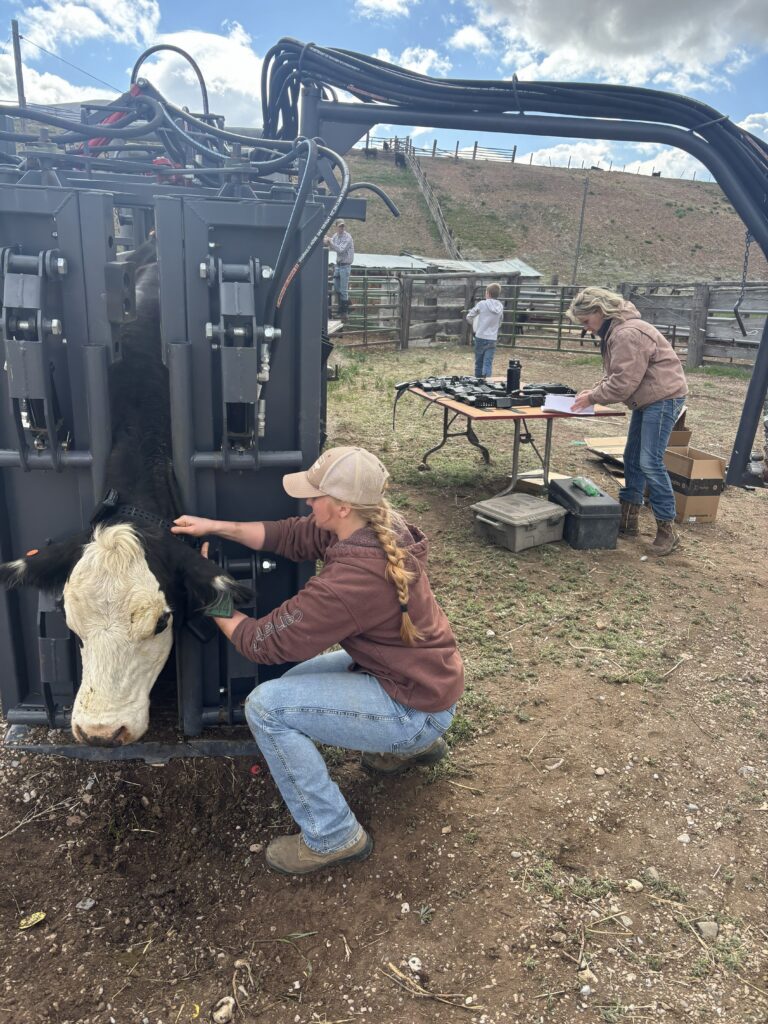
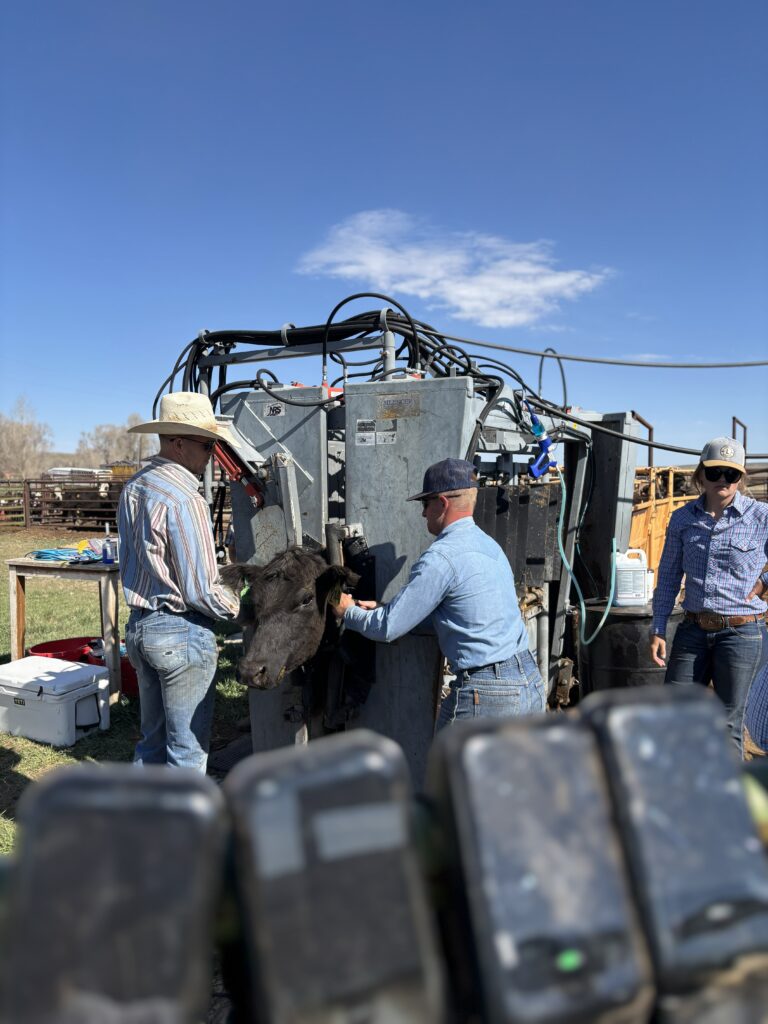
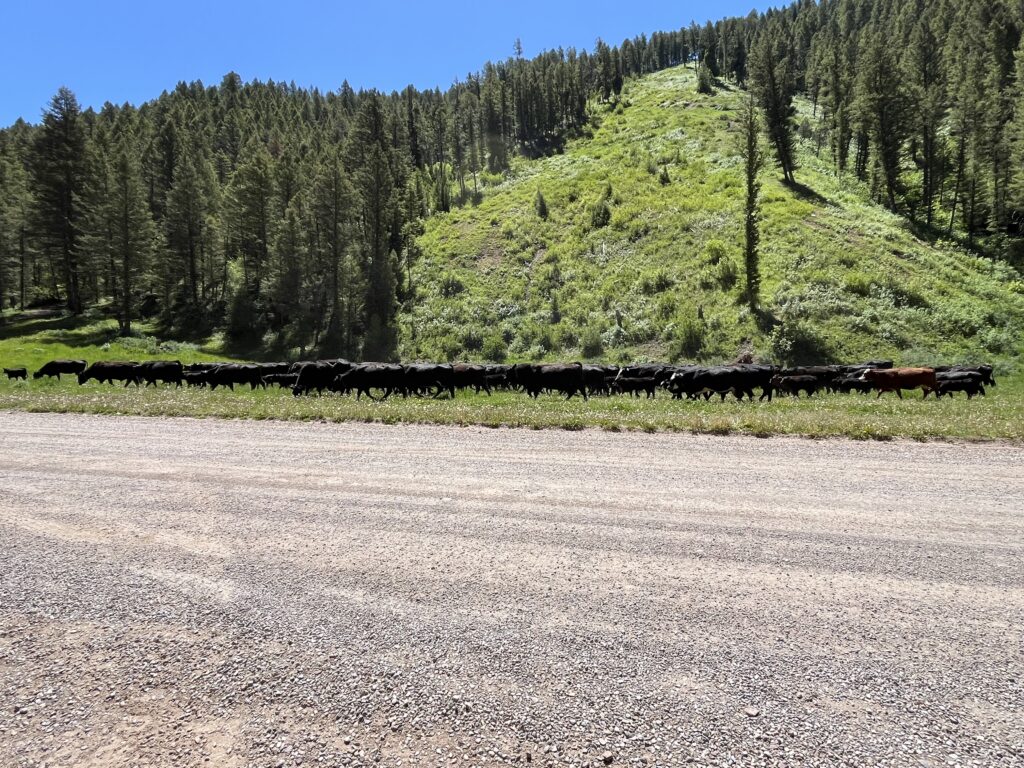
Collaring cattle at different operations throughout the Yellowstone Ecosystem (Figures 7-9), including cattle that are headed to the Upper Green River as a result of the Dollar Lake Fire collaboration.
What’s Next?
As producers continue towards livestock turnout on summer range, their virtual fences will go live and shape grazing management across the Yellowstone Ecosystem. We will continue to support our ranch partners over the coming months, as they integrate virtual fence technology into their daily operations. RCF will also continue to conduct monitoring for ecological, economic, and social outcomes. On a final note, we are incredibly grateful to the visionary producers and partners who are willing to test these new tools, share their knowledge, and push the boundaries of what conservation can look like on working lands.